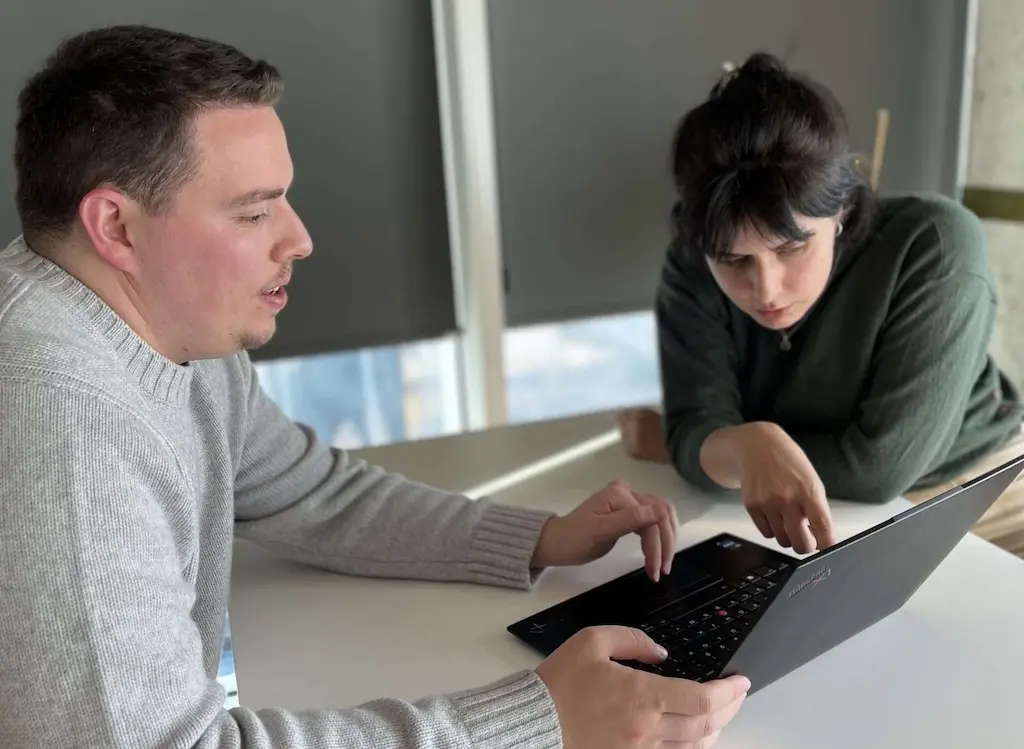
1. Aviram, you have been in cybersecurity for over a decade. Can you tell us about your journey into cybersecurity?
I started in the military at 18, in a six-month intensive program that changed how I think. We learned Python, networking, operating systems, and other core cybersecurity topics. More importantly, we learned how to break problems down, test ideas quickly, and stay calm under pressure. That mindset carried me into my later roles as a cybersecurity analyst and remains the foundation of how I work today.
After three years, I was invited back as an instructor. I focused on the analytical side of cybersecurity: working with big data, building security systems and alerts for cloud environments, and most of all, thinking like an attacker so I could be better at stopping one.
2. What inspired you to create Cybersteps?
After the military, my co-founder Roman, and I taught in several programs and saw a gap. Universities tend to focus on coding and computer science theory, while many bootcamps are too short and too shallow for real readiness. Military training is comprehensive, structured, and hands-on, which is why it often feeds talent into industry.
We built Cybersteps to bring that experience to career changers. Our goal is to give people with the passion to enter this field a clear, structured path that actually leads to skills and confidence.
3. What problem is Cybersteps solving for career changers in Germany?
Germany is a large market with a growing need for qualified talent, including in cybersecurity. Yet training paths are often outdated, overly theoretical, or light on hands-on practice. Hiring managers tell us they need people who can do the work from day one.
Cybersteps addresses that gap with training designed around employer needs and the realities of adult learners. We also made the program AZAV certified so eligible learners can use a Bildungsgutschein and study at no cost. That reduces risk for students and makes sense for Germany, since a successful graduate can return the investment within one to two years.
4. Why is cybersecurity a great career option right now?
AI is transforming tech. Some junior roles in software, data, and design are being automated. Cybersecurity stands out because it requires independent thinking, context switching, and collaboration across systems and teams. That makes it more resilient than many other tech paths.
In Germany, the need is rising due to rapid digitalization and increased focus on national security. Organizations are investing in defense and resilience, and cybersecurity is central to that work.
5. What kinds of people thrive in this field?
I’ve seen different types of people succeed in cybersecurity, but some common features were: curious people who like to figure out how things work, and problem solvers who are comfortable with testing, failing, and trying again.
6. Is prior IT experience required to succeed?
No. Everyone starts from zero. We begin with fundamentals like networking, programming, and security basics, then move into specializations. What helps most is commitment, steady practice, and time management. Basic comfort with computers, English and German reading, and a willingness to ask questions will speed up progress.
7. What makes the Cybersteps training program unique?
Two things from the military shape us. First, capability building: students develop the belief that they can handle hard problems and keep going. Second, individualization: we measure each student against their own potential, not someone else. We identify who needs more support or a lighter load, and who can be pushed further, then adjust coaching and workload accordingly.
8. Some people feel they are too old or not technical enough. What do you say to that?
Cybersecurity is not a single job. It is a broad field with roles that range from highly technical to process and risk-focused. Most people can find a path that matches their strengths, whether they prefer hands-on systems work or analysis and coordination.
9. What is next for Cybersteps? Any upcoming features or expansions?
In 2025, we are expanding AI tools and AI course content. We are also using AI to monitor learner progress and deliver real-time support. Early results are strong, and we are scaling what works.
10. How do you see the cybersecurity job market evolving in the next five years?
The outlook is healthy, especially in Germany. AI automates some tasks but also increases the volume and speed of threats, which creates more work for security teams. Public and private investment in security is rising, and cybersecurity remains a priority.
11. If someone wants to get a feel for cybersecurity today, what is something small they can try?
Try our new AI cybersecurity challenge. It does not require prior knowledge and is a practical way to start. You can also explore beginner-friendly platforms like TryHackMe and Hack The Box. Set a simple goal, such as completing one beginner lab this week, and reflect on what you learned.


Ready to Build a Career in Cybersecurity?